Case Study: EDA Data Platform
Operationalizing governed plant data for enterprise analytics and decision velocity.
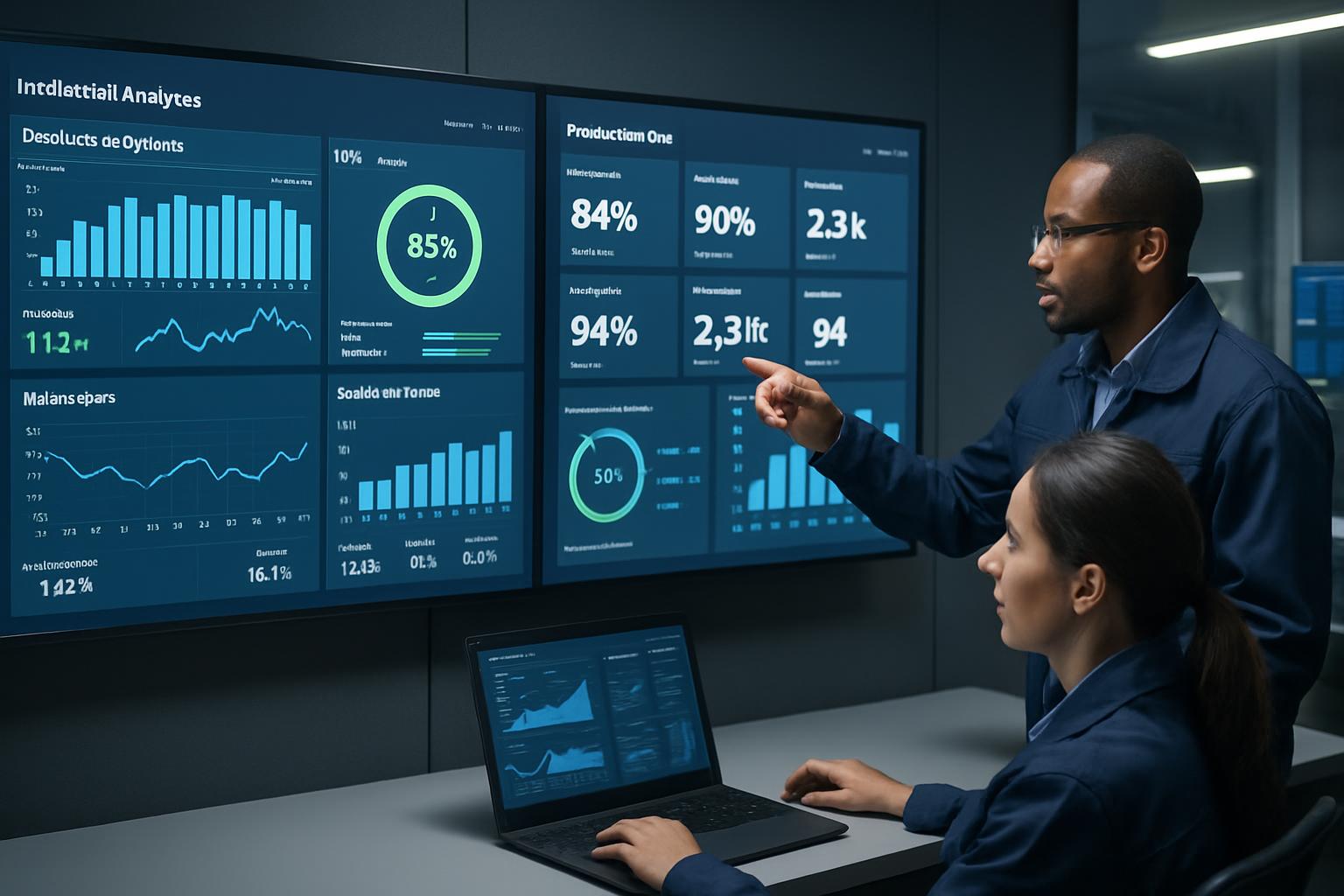
Project Snapshot
- Role: Lead Data Scientist / Platform Architect
- Domain: Manufacturing analytics and governance
- Stack: Azure ML, Snowflake/Snowpark, Python APIs, MLOps
- Timeline: 2022 – Oct 2025 (enterprise delivery phase)
Platform deployment
3 Plants
Setup across three operational domains with unified data access and analysis workflows.
Time saved
16+ Hrs/Week
Engineers reported near-zero time coordinating data across spreadsheets and notebooks.
Analysis velocity
Click-to-Insight
"Vital few" variable identification with one click. Heatmaps for covariates and collinearity.
Quality outcomes
5% → 1% Defects
Nuisance defect rates in targeted workflows. >10% yield lift in one-year window.
Technical Architecture
graph TD
    subgraph Sources
        A[Plant Sensors] --> B[ historians ]
        C[ERP Systems] --> D[SAP/Oracle]
        E[Quality Labs] --> F[LIMS]
    end

    subgraph Ingestion
        B --> G[Ingestion Pipeline]
        D --> G
        F --> G
        G --> H[Validation Layer]
    end

    subgraph Storage
        H --> I[Snowflake Data Warehouse]
    end

    subgraph Delivery
        I --> J[REST API]
        I --> K[Dashboards]
        I --> L[ML Models]
    end

    subgraph Consumers
        J --> M[Plant Engineers]
        K --> N[Operations Teams]
        L --> O[Data Scientists]
    end
Data flow: Plant sensors, ERP systems, and quality labs feed into a unified ingestion pipeline. Validation ensures data quality before storage in Snowflake. Delivery layers include REST APIs, dashboards, and ML model endpoints.
Decision Tradeoffs
| Option Considered | Pros | Cons | Decision |
|---|---|---|---|
| Snowflake-native | Managed infrastructure, fast queries, Snowpark for transformations | Vendor lock-in, per-query pricing at scale | Selected — enterprise already invested, team expertise available |
| PostgreSQL + PostGIS | Open source, full control, no query pricing | More ops overhead, team capacity constraints | Rejected — would require dedicated DBA capacity |
| Databricks Unity Catalog | Strong ML integration, governance features | Higher complexity, migration cost | Deferred — considered for future ML platform consolidation |
Quantified Outcomes (Public-Shareable)
- 16+ hours/week of engineering and administrative effort reclaimed through analytics automation patterns.
- 5% to 1% nuisance defect-rate shift in targeted quality workflows using stronger data feedback loops.
- >10% yield improvement delivered in a one-year optimization window where governed analytics informed interventions.
Problem
Manufacturing stakeholders needed reliable, timely, and consistent access to process data, but data was fragmented across systems and teams. This slowed troubleshooting, benchmarking, and adoption of advanced analytics.
Approach
I led design and deployment of a governed EDA platform composed of ingestion pipelines, validation rules, and API-based delivery. The architecture balanced plant usability, IT governance, and analytical flexibility.
Outcome
The platform became a core analytics layer for multiple initiatives, enabling faster root-cause analysis and more consistent reporting across operations. Engineers described it as game changing for discussions, brainstorming, sanity checks, and long-term trendlines. The "vital few" variable identification and heatmap for covariates became standard practice.
- Platform metrics: 3 plants, unified data access, click-to-insight workflow
- Time saved: Near-zero coordination time across spreadsheets and notebooks
- Business outcomes: 5% → 1% defect reduction, >10% yield improvement
Leadership Contribution
- Architecture: Designed the data model, ingestion pipeline, and validation layer — decided on Snowflake-native approach after evaluating PostgreSQL and Databricks options.
- Team: Led 3-person analytics team through delivery, establishing code review and testing practices.
- Governance: Established data quality standards adopted plant-wide, including validation rules and documentation.
- Outcomes: Engineers reported the platform was game changing — "click a button to find the vital few variables" and heatmaps for covariates during discussions, brainstorming, and sanity checks.